How Reinstate syncs coding-agent sessions
Reinstate uses per-agent adapters, structural path remapping, client-side age encryption, immutable snapshots, and an encrypted remote manifest to move vendor-native sessions without becoming a coding harness.
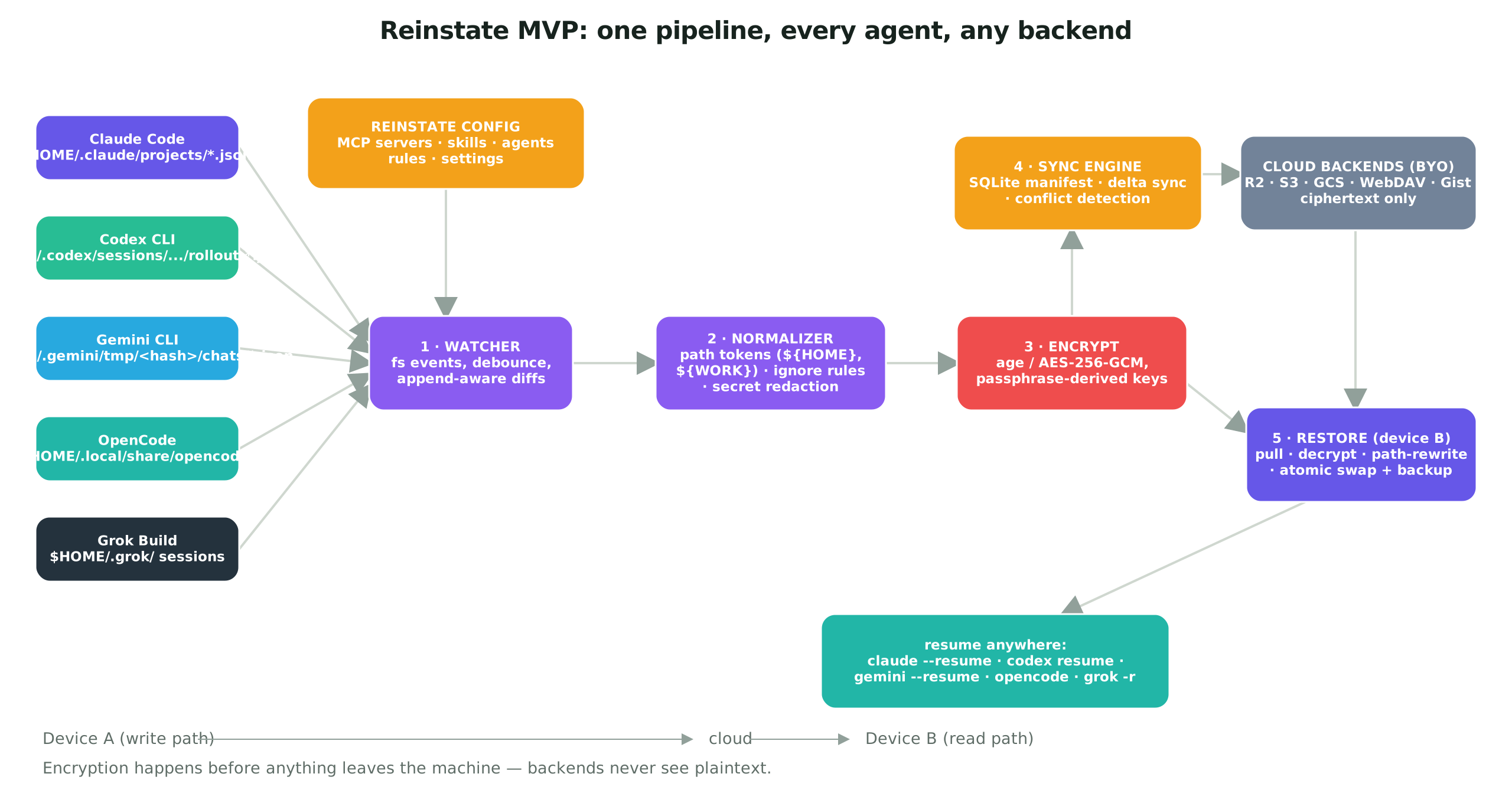
┌─────────────┐   ┌─────────────┐   ┌─────────────┐
│ Claude Code │   │    Codex    │   │ Future agents│  ...
│  ~/.claude  │   │  ~/.codex   │   │  (roadmap)   │
└──────┬──────┘   └──────┬──────┘   └──────┬──────┘
       │                 │                 │
       ▼                 ▼                 ▼
┌──────────────────────────────────────────────────┐
│              Agent Adapters (per tool)            │
│  locate · parse · exclude secrets · project IDs   │
└──────────────────────┬───────────────────────────┘
                       ▼
┌──────────────────────────────────────────────────┐
│  Normalizer                                       │
│  structural path tokens · project IDs             │
│  credential hard-excludes                         │
└──────────────────────┬───────────────────────────┘
                       ▼
┌──────────────────────────────────────────────────┐
│  Encryption (age / scrypt passphrase recipient)   │
│  client-side only — remote never sees plaintext   │
└──────────────────────┬───────────────────────────┘
                       ▼
┌──────────────────────────────────────────────────┐
│  Sync Engine                                      │
│  immutable snapshots · encrypted JSON manifest    │
│  conflict detection · atomic restore + backup     │
└──────────────────────┬───────────────────────────┘
                       ▼
┌──────────────────────────────────────────────────┐
│  Backends: R2 · S3-compatible (Phase 1)           │
└──────────────────────────────────────────────────┘
Design principles
- Local-first — agents remain the sole executors of sessions; Reinstate relocates files, it does not re-interpret or re-run them.
- Zero-knowledge remote — ciphertext on object storage, apart from
keyring.v1.json, which is plaintext by design, holds no usable key, and names the account and its enrolled devices. - Native resume is same-vendor — restore puts bytes where
claude --resume/codex resumealready know how to read them. - Cross-agent handoffs are explicit — never silently
translated.
rein handoffstarts a new destination session. translate native transcripts between vendors. - Fail-safe conflicts — never overwrite; fork and surface.
- Adapter isolation — format churn in one agent cannot break others.
- Normalize configuration intent — later configuration adapters render a canonical desired-state profile into verified native harness formats.
- Secrets stay local — profiles contain references, never raw API keys, OAuth tokens, cookies, or vendor credential stores.
Pipeline stages
1. Adapters
Each adapter knows:
| Concern | Example (Claude Code) |
|---|---|
| Root path | ~/.claude/projects/ |
| Session format | Append-only JSONL |
| Project key | Munged absolute path directory name |
| Resume entry | claude --resume [id] |
| Exclude globs | plugins, caches, credentials |
Adapters implement a small Go interface under internal/adapter/.
Configuration adapters (roadmap)
Session and configuration support are separate. Later configuration adapters will import, diff, and render supported MCP servers, skills/instructions, hooks/loops, plugins, marketplaces, and safe settings:
native config ↔ configuration adapter ↔ Reinstate desired state
                                             ↕ encrypted sync
                                      another device
They must preserve unrelated settings, report unsupported/lossy mappings, preview and back up changes, write atomically, and fail closed on unverified schemas. See Universal agent configuration.
2. Path normalizer (internal/pathmap)
The make-or-break feature for Windows ↔ macOS dual setups:
- Store the released portable tokens
${HOME}and${REPO:<id>}. - Keep the lower-level
${WORK:<alias>}primitive explicitly unwired until configuration, adapter integration, and compatibility tests ship. - On push: rewrite recognized structural path fields → tokens
- On pull: rewrite tokens → this machine’s absolute paths
- Maintain a canonical project ID (git remote + name, or user alias) mapped to per-device roots so munged slugs / hashes recompute correctly
- Do not rewrite arbitrary prose, prompts, tool output, or unknown fields
3. Encryption (internal/crypto)
- Default: age passphrase encryption
- Enter the same passphrase on every device; no keyfile is copied or stored
- File modes:
0600for secrets,0700for config dirs
4. Sync engine (internal/sync)
- Versioned local sync state stored as atomic JSON
- Immutable, UUID-addressed encrypted snapshots
- Encrypted remote JSON manifest with conditional ETag updates
- Streamed full-snapshot transfer with authenticated metadata, size, and SHA-256 validation
- Full snapshots in Phase 1; chunking and append-aware deltas are roadmap work
statusanddiffcurrently require access to the remote manifest
5. Restore path
- Pull ciphertext → decrypt
- Path-rewrite into local layout
- If target exists: copy to
~/.reinstate/backups/<timestamp>/ - Atomic write (temp + rename)
- Refuse or warn if agent process holds the file open (liveness check)
What is explicitly not synced
See the security model. Defaults exclude:
auth.json, OAuth/credential stores- Plugin caches /
node_modules/ venvs - Machine-local logs
- User-defined globs
Future configuration sync carries non-secret declarations and secret references, never vendor auth stores or whole tool directories.
Why not CRDTs / real-time collab?
Dominant pattern is sequential multi-device use (desktop by day, laptop by night). Last-writer-wins with conflict detection and safe forks matches reality without tripling complexity.
Tech stack
| Layer | Choice | Why |
|---|---|---|
| Language | Go | Single static binary, cross-compile, proven by peers |
| Crypto | age | Passphrase UX + auditability |
| Storage | S3-compatible first | R2 free tier; rclone-style backends later |
| Local state | Versioned JSON | Small, inspectable, atomically replaced |
| Remote index | Encrypted JSON manifest | Conditional updates and conflict detection |
Related diagrams
| Asset | Description |
|---|---|
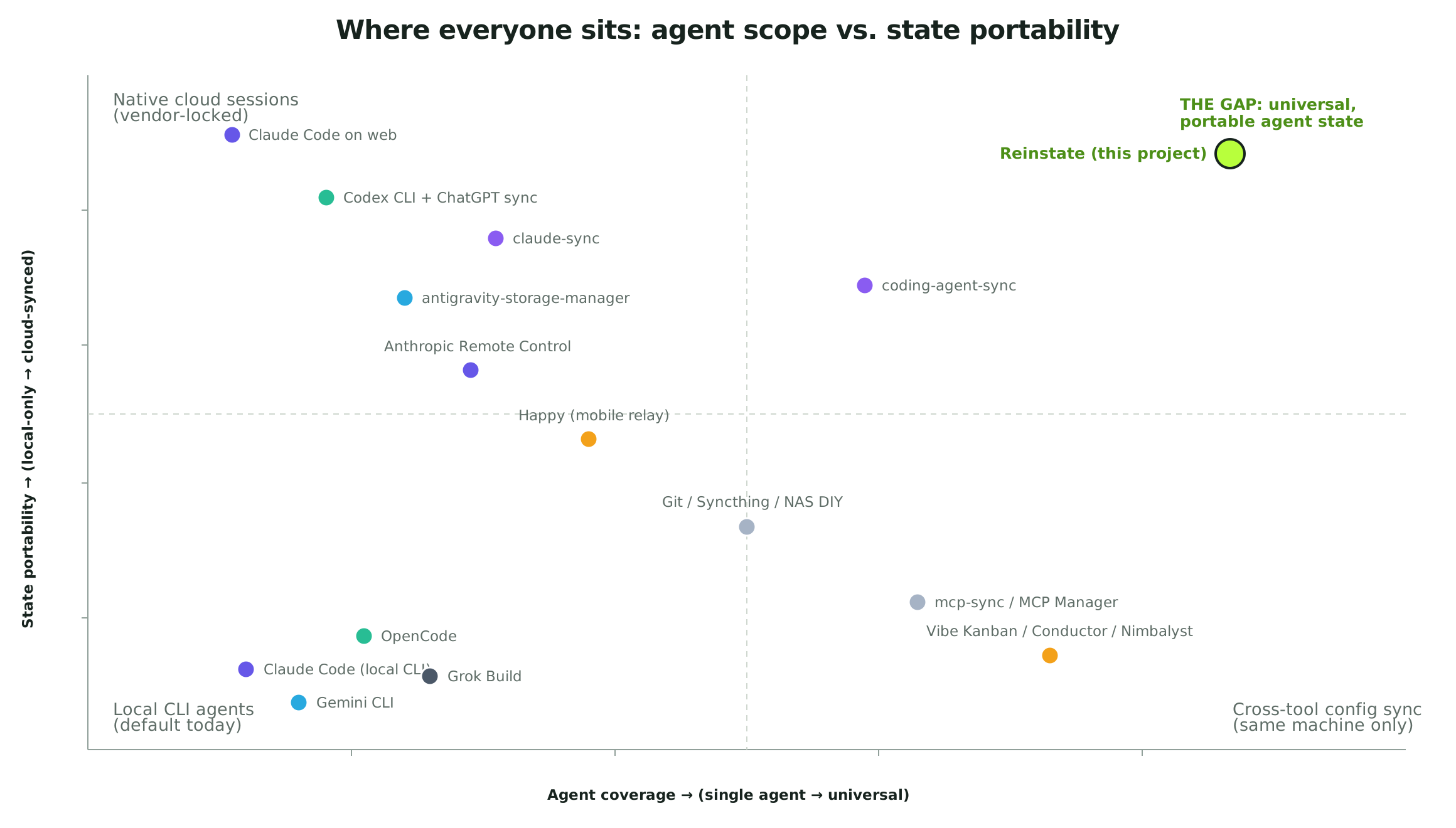
| 01_landscape.svg | Agent scope vs state portability |
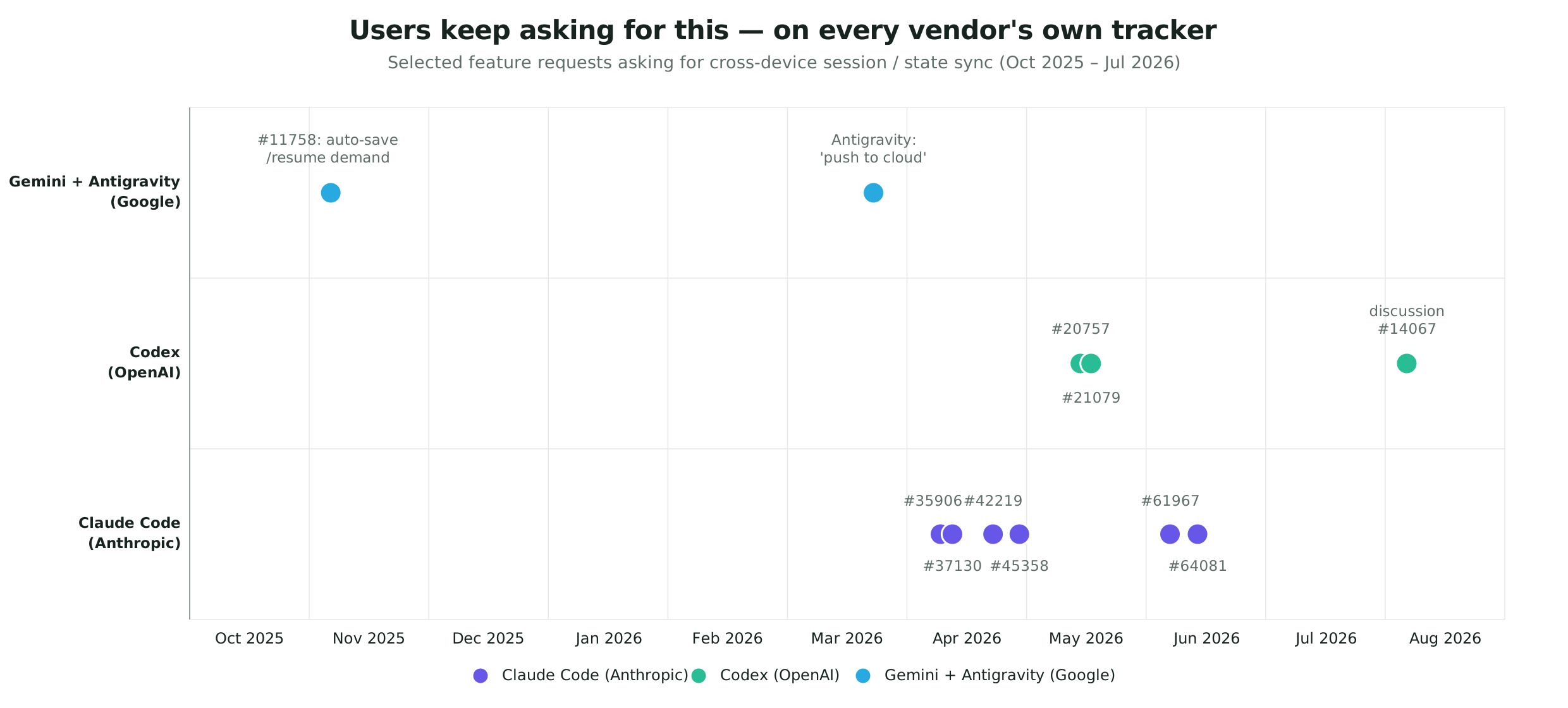
| 02_demand_timeline.svg | Demand signals on vendor trackers |
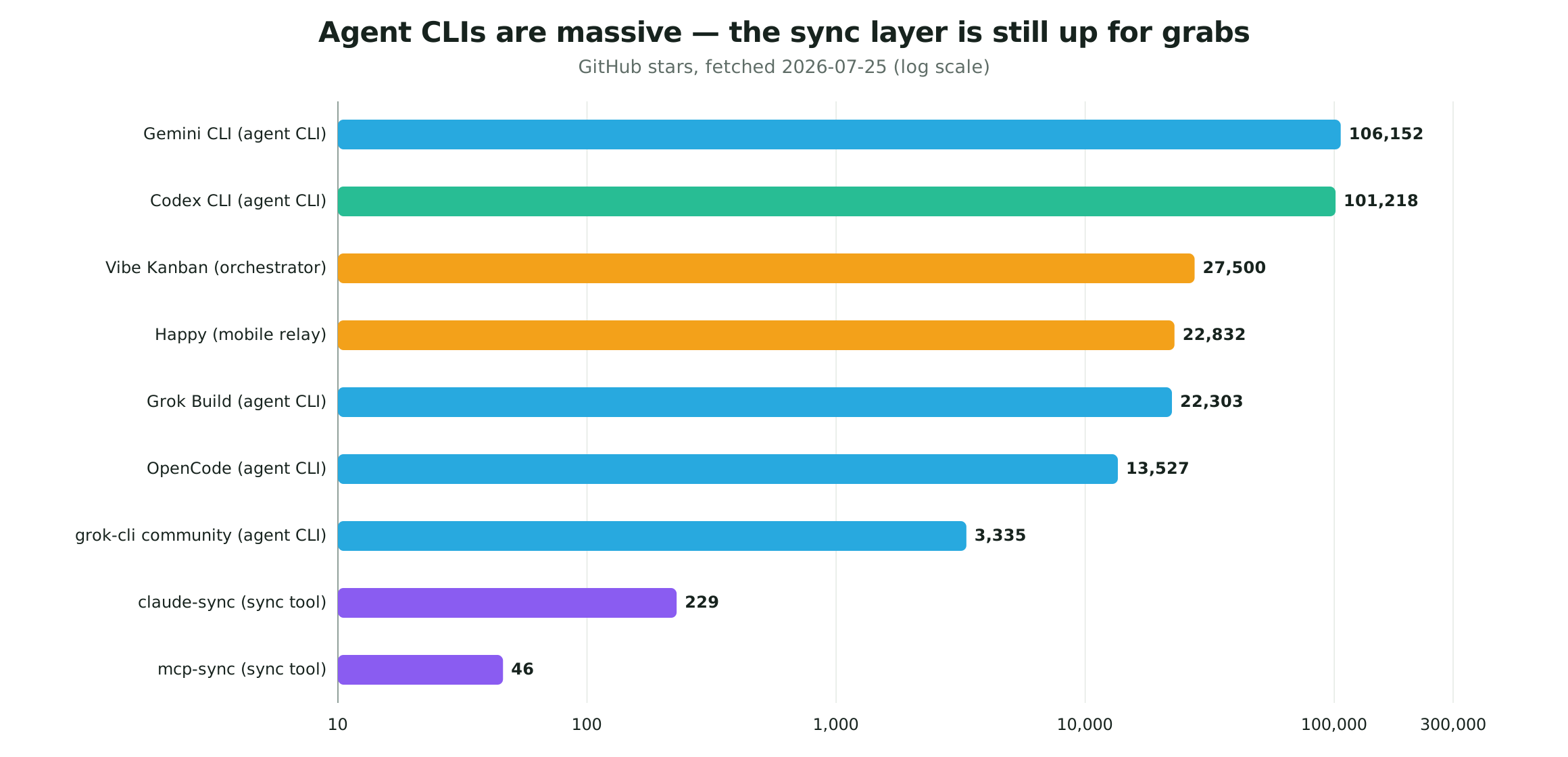
| 03_traction.svg | GitHub traction landscape |
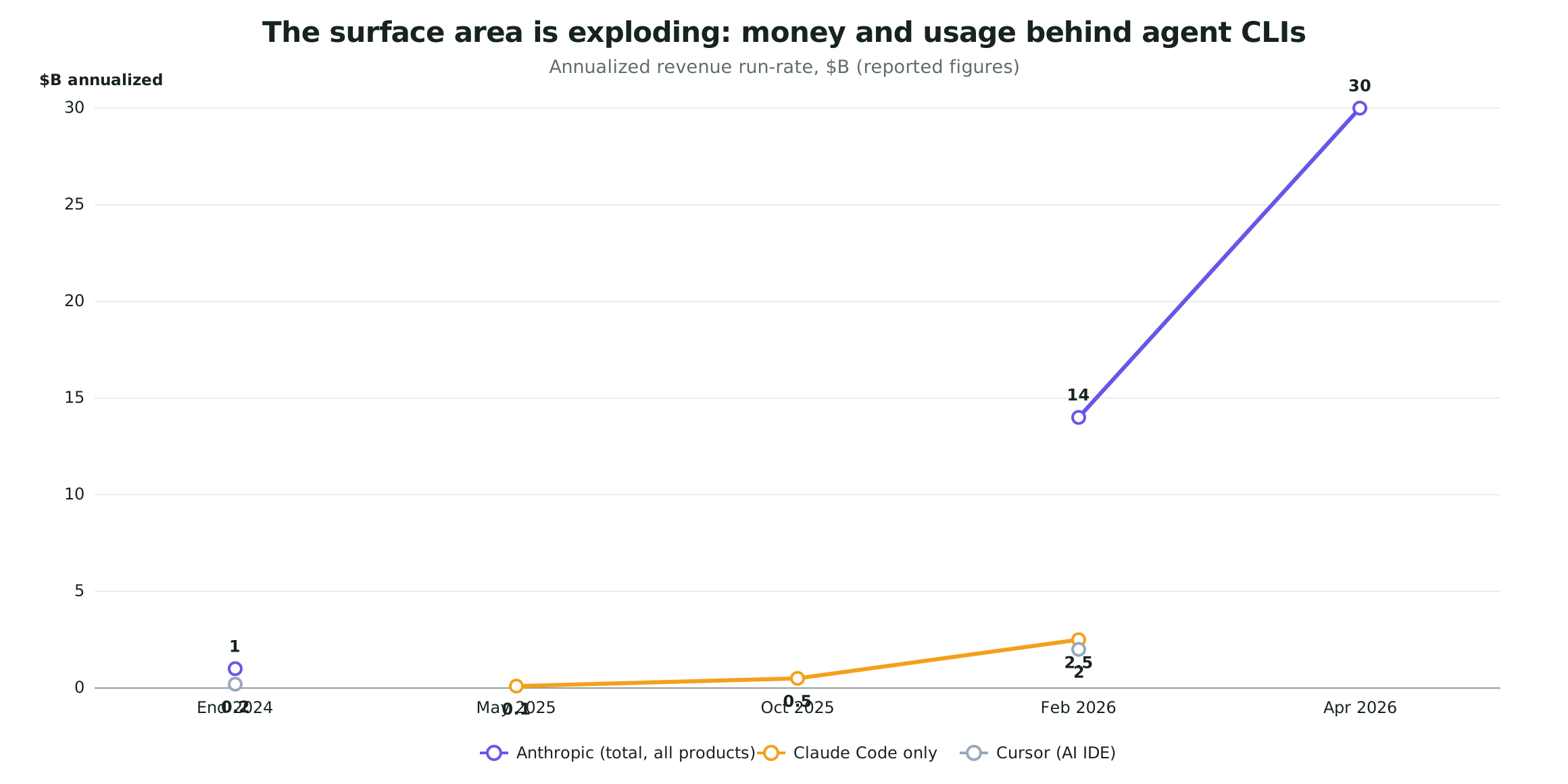
| 04_market.svg | Market context |
| 05_architecture.svg | MVP architecture |
Package layout
cmd/reinstate/          # CLI entrypoint (install as reinstate + rein)
internal/
  adapter/              # per-agent adapters
  config/               # local config + path_map
  crypto/               # age encryption
  pathmap/              # portable path rewriting
  sync/                 # manifest, push/pull, conflicts
  backend/              # R2/S3-compatible
docs/                   # human docs
testdata/               # golden fixtures (per adapter)